Don't Relinquish Your 8(a) Certification: Why Persistence Pays in Government Contracting
By WALLY ANGEL, ROSE FINANCIAL SOLUTIONS
Recent audits and SBA directives have many 8(a) firms questioning if the program is still worth the hassle. As Wally Angel, Partner at Rose Financial Solutions—with over 20 years advising GovCons through SBA compliance and FAR execution—I've seen this knee-jerk reaction before. But exiting now is often a strategic mistake that overlooks the program's enduring value. Here's why sticking with your 8(a) status is a smart play for growth-minded operators.
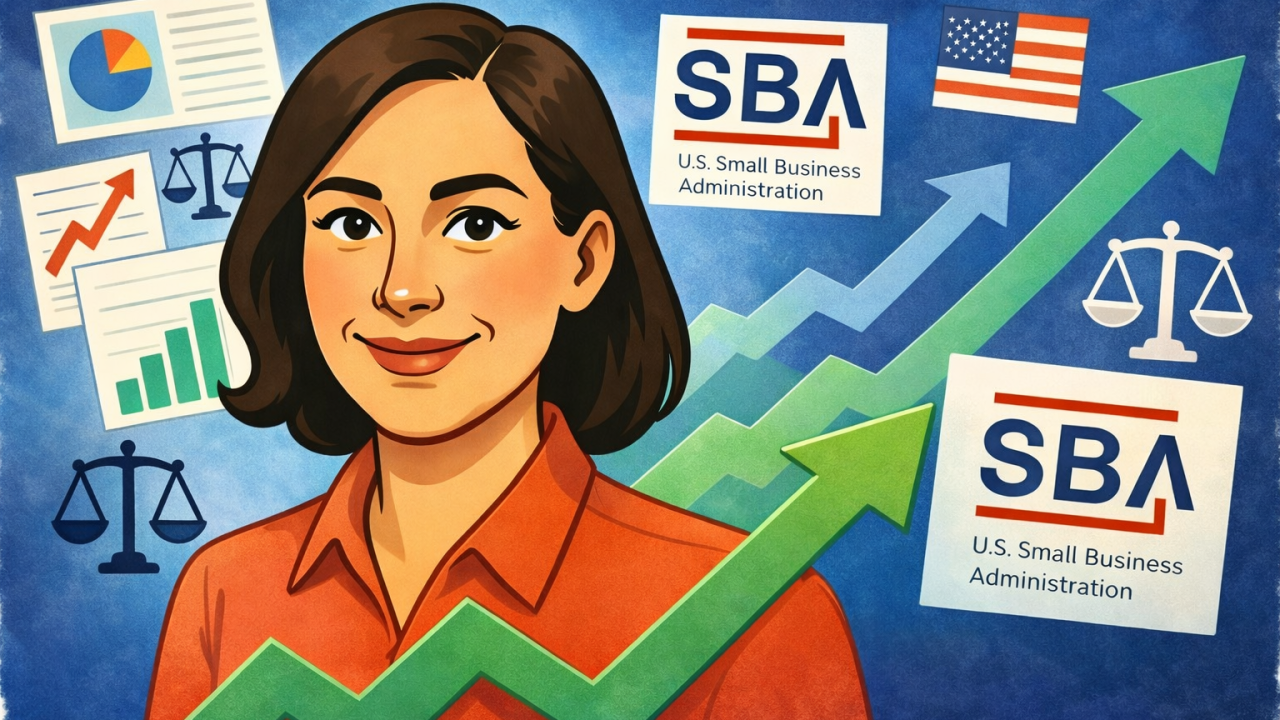
A One-Shot Opportunity The 8(a) certification is a unique, non-renewable edge for small business set-aside contracts. Eligible firms get up to nine years of sole-source awards, set-asides, and tailored resources for socially and economically disadvantaged owners. Once you exit, re-entry isn't an option—locking you out of future leverage in a cutthroat market. Critically, exiting won't relieve you from compliance obligations tied to prior years; non-compliance could still trigger audits or penalties, impacting your full core business operations far beyond the program.
Scrutiny Doesn't Mean Contraction Federal acquisition priorities shift fast—with policy tweaks, economic swings, and agency demands. Yes, the Department of Treasury's November 2025 announcement ramps up audits on preference-based contracts (those leveraging small business advantages like 8(a)). And the SBA's December 5, 2025, directive mandates financial records by January 19, 2026, to combat fraud. But this isn't a permanent pullback. Agencies still chase small business goals, and the SBA pushes 8(a) utilization for mission needs. In my experience, this scrutiny weeds out bad actors, consolidating market share for compliant players and reducing competition over time.
Regulatory Tailwinds Are Emerging Far from escalating, recent SBA updates ease burdens. Effective 2025, non-disadvantaged ownership thresholds rose from 20% to 30% without prior approval in key stages—giving more equity flexibility to attract talent or investors. A policy update championed by Senator Dan Sullivan scraps the need for staffed offices in every bidding state for construction contracts, cutting setup costs. Plus, December 2024 Federal Register changes hiked revenue thresholds for accounting reviews: audits only above $20 million in gross receipts, reviews between $7.5–$20 million, and basic statements below that. This slashes compliance costs for smaller 8(a) firms. Topping it off, the SBA's December 15, 2025, Deregulation Strike Force targets red tape across agencies—potentially saving hundreds of hours per firm, freeing you for strategic growth.
What to Do Instead of Exiting Rather than bail, double down: Audit-proof your books with FAR-aligned systems, build differentiated capabilities, and pursue agile bids. This positions you not just to survive scrutiny but to thrive post-8(a), with stronger ops and less crowded fields.
In summary, while SBA 8(a) audits bring heat, the program's core 8(a) certification benefits—paired with these burden-reducing changes—make voluntary exit shortsighted. Lead through persistence: My clients who nail compliance, execution, and growth emerge dominant as non-compliants fade. The real risk isn't scrutiny—it's surrendering a non-renewable advantage.

Wallace Angel
Wallace “Wally” Angel is a strategic CPA with more than 20 years of experience in the government contracting and consulting environments with companies ranging from start-ups to $800M. His government contracting expertise includes FAR and DCAA compliance, indirect rate calculation, forward pricing, proposal writing, pricing, and cradle to grave contracts management and system design and implementation. In his position as Partner, Financial Operations, Wally serves as a trusted advisor to the C-suite in controllership and cash management, revenue recognition, system design and implementation, and full financial planning and analysis.
Share this article:
Visit Us On: